Shipping Container Storage in Adelaide
Choose a 20ft or 40ft unit for furniture, tools or business stock. Bring your goods to our northern Adelaide facility and load directly at the container door.
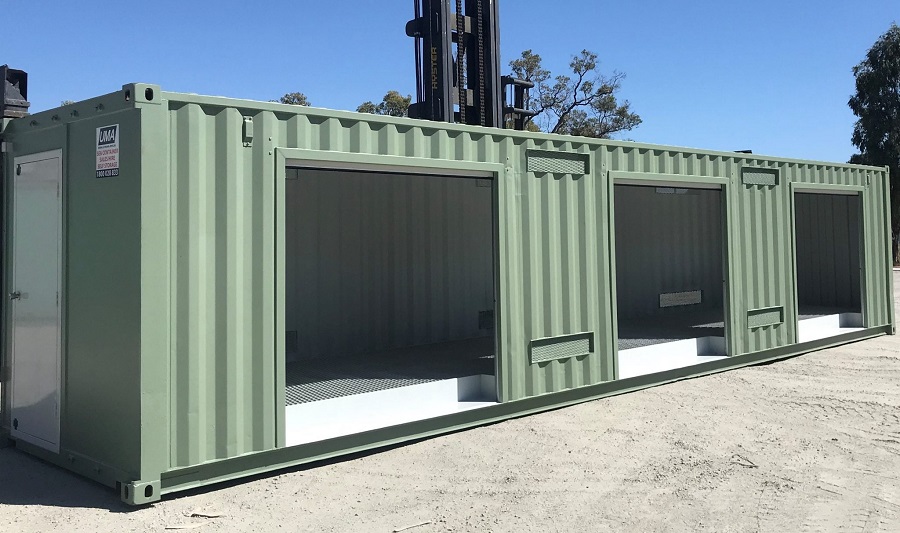
Container self storage built for practical access
Modified shipping containers provide strong, weather-resistant storage with useful capacity and direct vehicle access. They are suited to furniture, household boxes, trade tools, equipment, archives and business inventory.
The units are located inside our fenced, CCTV-monitored Salisbury Plain facility. Customers use personal PIN entry during the facility's seven-day access hours.
Need less space than a full container?
For a few boxes, seasonal belongings or a smaller furniture load, compare our other business, Mini Self Storage, at the same address: 61 Stanbel Road, Salisbury Plain.
Mini specialises in smaller storage units. Check its available sizes, doorway measurements and current terms against your items before choosing. Our small-unit and container comparison guide walks through the inventory, measurements and access questions.
View Mini Self StorageWhen to compare a Budget container
For bulky furniture, equipment or larger stock volumes, use the 20ft and 40ft comparison below. Budget's container units offer ground-level drive-up loading.
Choose around the items and access you need. Mini has its own enquiry details; use its website for smaller-unit availability and pricing.
20ft vs 40ft container storage: which size fits your job?
A longer container provides more space, but the useful capacity also depends on the shape of your goods and the access aisle you need. These are planning guides; ask us to confirm the actual unit measurements.
| What to compare | 20ft container | 40ft container |
|---|---|---|
| Nominal external length | About 6 metres; this is not the usable internal length. | About 12 metres; this is not the usable internal length. |
| A starting point for | Furniture, cartons, tools, archives or moderate business stock. | Larger household loads, bulky equipment or greater stock volumes. |
| Frequent collection | Allow an aisle and keep regularly used goods near the door. | Plan separate storage zones and a clear retrieval path. |
| Confirm before booking | Internal length, width and height; clear door opening; rate and availability. | The same measurements, plus the layout needed for awkward or long goods. |
Neither size is climate-controlled. A bedroom count alone is not a reliable fit guarantee: furniture sizes, stacking and packing methods vary.
What can go into container storage?
- Household furniture and appliances prepared for storage
- Moving boxes, clothing and personal belongings
- Business stock, records and seasonal displays
- Tools, materials and non-hazardous equipment
What cannot be stored?
Do not store illegal goods, flammable or explosive materials, hazardous chemicals, perishable food, plants, animals or anything prohibited by the storage agreement. If you are unsure about a particular item, ask before moving it into the unit.
Customers should also check whether their contents insurance covers goods kept in self storage.
How much does container storage cost in Adelaide?
Ask for a quote for the available 20ft or 40ft unit and the dates you need. The current rate is supplied by the facility; an enquiry does not reserve a unit.
Compare the complete rental period. A lower introductory rate may not be the lowest total once later billing periods, transport and other applicable charges are included.
Request the billing period, minimum term, deposit, any lock or administration charges, insurance arrangements and notice requirements. Ask which apply to your agreement rather than assuming they are included.
Make your quote specific
- Your preferred start date and likely duration
- The main items and approximate carton count
- Measurements of the largest or awkward items
- Whether you need regular collection or one move-out
Send your list for a size and price enquiry. You do not need to choose a container size before asking.
Durable space with fewer handling steps
Shipping containers are constructed for strength and exposure to transport conditions. When modified and maintained for self storage, they provide a robust ground-level space for many everyday storage needs. Direct vehicle access can make loading furniture, equipment and cartons faster than moving through corridors or lifts.
The units remain at the Salisbury Plain facility. This is storage-space rental, not container sale, transport, mobile storage or delivery to a customer's property.
Protect the unit by packing it properly
Store only clean and completely dry goods. Raise sensitive items where practical, avoid placing unprotected furniture against metal surfaces, and allow air to circulate around densely packed belongings. Use covers that do not trap existing moisture.
Read how to prepare goods for storage and check available boxes and packing materials.
How to rent container storage in Adelaide
Estimate the volume
List furniture, equipment, stock and boxes, noting the largest or most awkward items.
Compare available sizes
Discuss whether a 20ft or 40ft unit provides the right capacity and access layout.
Arrange the agreement
Confirm the rate, start date, access details and prohibited goods before moving in.
For more detail, read how to rent a shipping container storage unit.
Container storage for Adelaide businesses
Drive-up containers can support stock overflow, trade equipment, event materials, archived records and seasonal supplies. Organise stock by frequency of use, use shelves rated for the load and maintain an aisle so goods can be retrieved without unloading the entire unit.
See our dedicated Adelaide business storage guide for inventory and workflow considerations.
Personal and household container storage
A container can hold furniture, appliances and boxed belongings during a move, renovation or downsizing project. Protect furniture carefully, defrost and dry appliances, and avoid storing perishable or hazardous items.
Explore personal self storage in Adelaide or the dedicated furniture storage guide.
Container storage questions
Do you sell or deliver shipping containers?
No. These shipping containers remain at the Salisbury Plain facility and are rented as on-site self storage units.
Are 20ft and 40ft storage containers available?
Those are the principal container sizes offered. Current availability should be confirmed before planning move-in.
Are the containers weather-resistant?
The modified steel containers are designed to provide durable, weather-resistant storage. Goods should still be clean, dry and packed appropriately.
Can I use a container for business storage?
Yes. They can suit non-hazardous stock, tools, equipment, archives and supplies, subject to the storage agreement.
Can I access the unit seven days a week?
Customers have personal PIN access during the facility's seven-day access hours. Confirm the current hours when renting.
How do I rent a container storage unit?
Contact Budget Self Storage with what you need to store, the preferred start date and likely duration. The team will confirm size, availability, pricing and the agreement.
The facility is in Salisbury Plain. See Salisbury storage details or all nearby service areas.
Measure the items that decide the size
Start with the awkward pieces
Measure the length, width and height of sofas, wardrobes, shelving, benches and equipment. Note what can be dismantled safely and which items must remain upright. Ask about the door opening as well as the space inside.
Draw a simple floor plan using the confirmed internal measurements. Put bulky items in first on the plan, then allow room for cartons and a route to anything you will collect during the rental.
Choose around how you will use it
For a household move, group goods by room and leave essentials accessible. For tools or stock, use labelled zones so a regular visit does not require unpacking everything.
If heat or humidity could damage an item, ask about suitability before booking. Weather-resistant steel storage is not temperature-controlled storage.
See our packing and preparation guide for protecting goods before move-in.
Reduce moisture and packing problems
Weather-resistant does not mean every packing choice is safe. Goods should enter the unit clean and completely dry. Moisture trapped in furniture, appliances, cardboard or plastic wrapping can create damage over a long storage period.
- Defrost, drain and dry refrigerators and washing machines
- Use breathable furniture protection where appropriate
- Keep boxes off any visibly damp item
- Avoid blocking all air movement with dense wall-to-wall packing
- Inspect goods periodically when storing for an extended term
Pack around retrieval order
Place long-term goods and heavy furniture first. Keep documents, seasonal stock, tools or household essentials that may be needed closer to the door. Label at least two sides of each carton and keep a simple inventory outside the unit.
For business storage, divide the container into product or project zones. For household storage, group by room and keep a first-access box with essential items.
See the complete goods preparation guide.
This service includes
- A private container unit at the Salisbury Plain facility
- Ground-level loading at the unit
- Customer access during the facility's access hours
- Site fencing, CCTV monitoring and controlled entry
This is a different service from
- Buying a shipping container
- Hiring a container for delivery to another property
- Mobile storage collected from a home or business
- Small indoor lockers or climate-controlled rooms
Compare available container storage units
Ask whether a 20ft or 40ft drive-up unit best matches your volume, access needs and storage term.